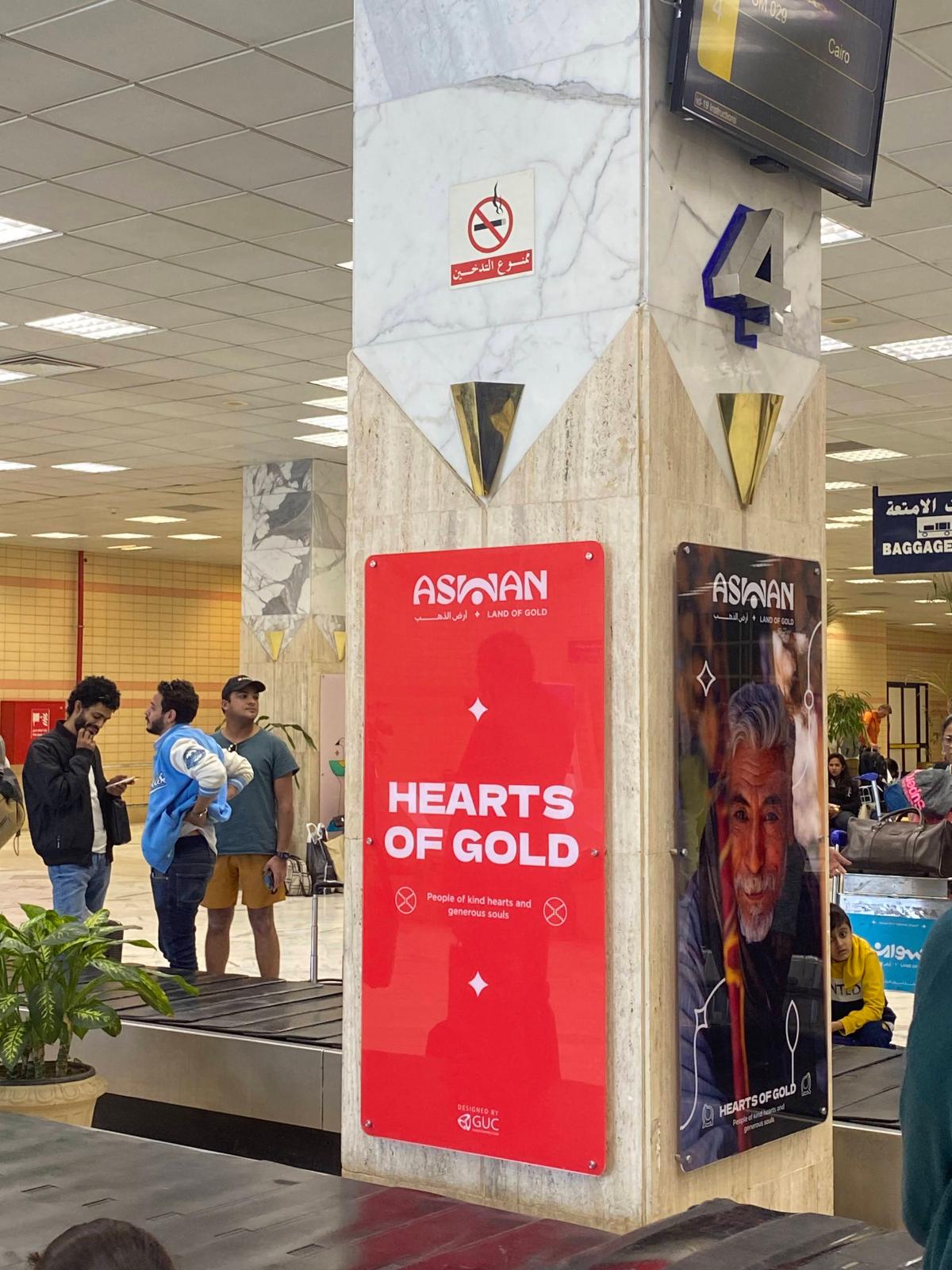
Aswan, was Day 2 of our Egypt trip. Even as we entered the city, it felt like a sun-drenched pause. Located at the southern tip of the Nile where the river slows down, wide and glassy, beneath an endless sky. Unlike bustling Cairo, Aswan is an oasis of amber rocks, emerald islands, and Nubian villages painted in bursts of blue and pink. .
Known as “sono” (meaning the market) during ancient times, the city of Aswan was and still is a heavy commercial center for Egypt. Aswan has also been known as the Land of Gold, given its treasured history as a necropolis for the Nubian kings who had presided over the city over thousands of years.
Aswan High Dam
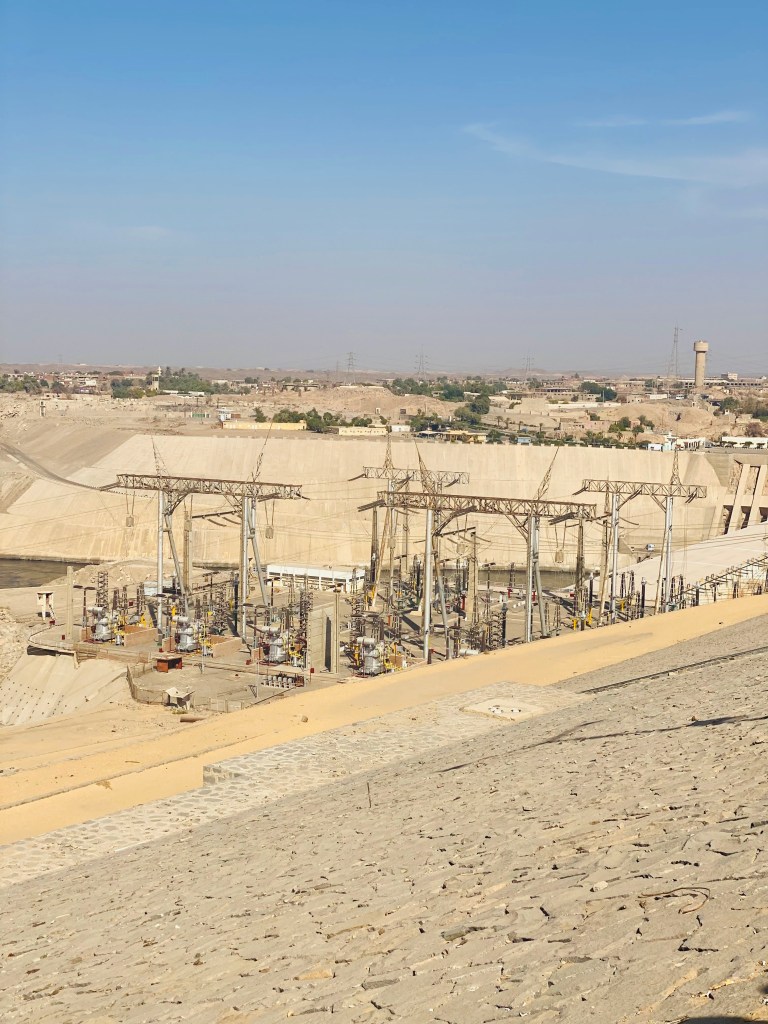
There’s an Aswan (low) Dam and then there’s the Aswan High Dam which was built after the massive success and max utilization of it’s predecessor. The new high dam also contributed to better flood control of the Nile River and the provision for increased water storage for irrigation purposes and generation of hydroelectricity.
Aswan High Dam is one of the world’s largest embankment dams and is considered as a modern example of Egypt’s construction on a monumental scale.

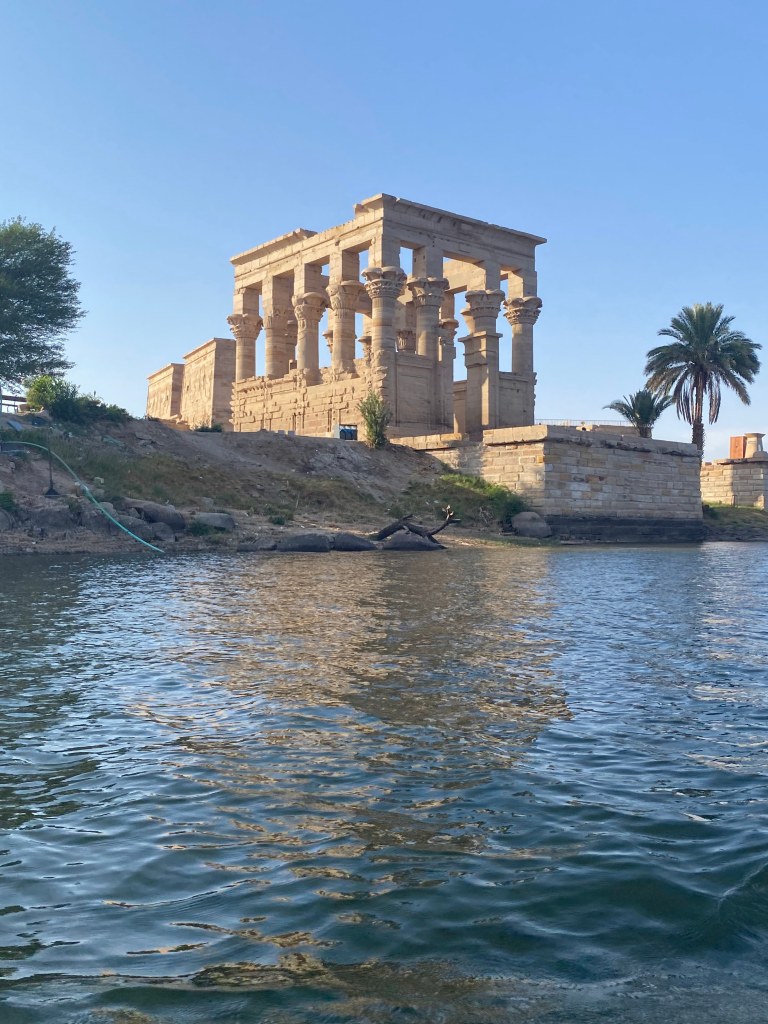
The Temples of Philae
An island based temple complex in the reservoir of Aswan Low Dam. This temple is dedicated to Goddess (of healing, birth and magic) Isis, her husband Osiris and their son Horus.
In 1902, the temple was submerged for most of the year after construction of the Aswan Dam. Upon request from the Egyptian government, an international effort led by UNESCO prevented the complete submersion by relocating the temple to s safer site. The Philae Temple was deconstructed and reassembled block by block from Philae Island to Agilika Island, about 550 meters northeast of the original location.
It’s believed that no birds fly over the Philae temple nor any fosh swim in the rivers near it. Superstition much? No clue! But Philae was the burial place of Osiris and thus highly revered by all Egyptians.

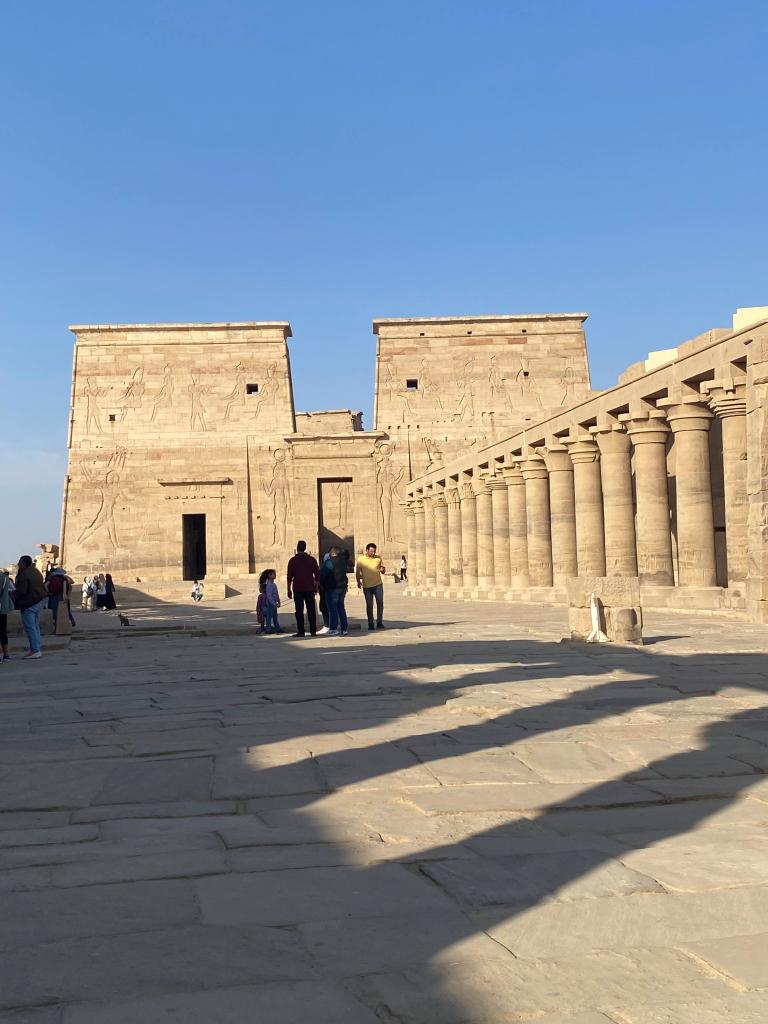

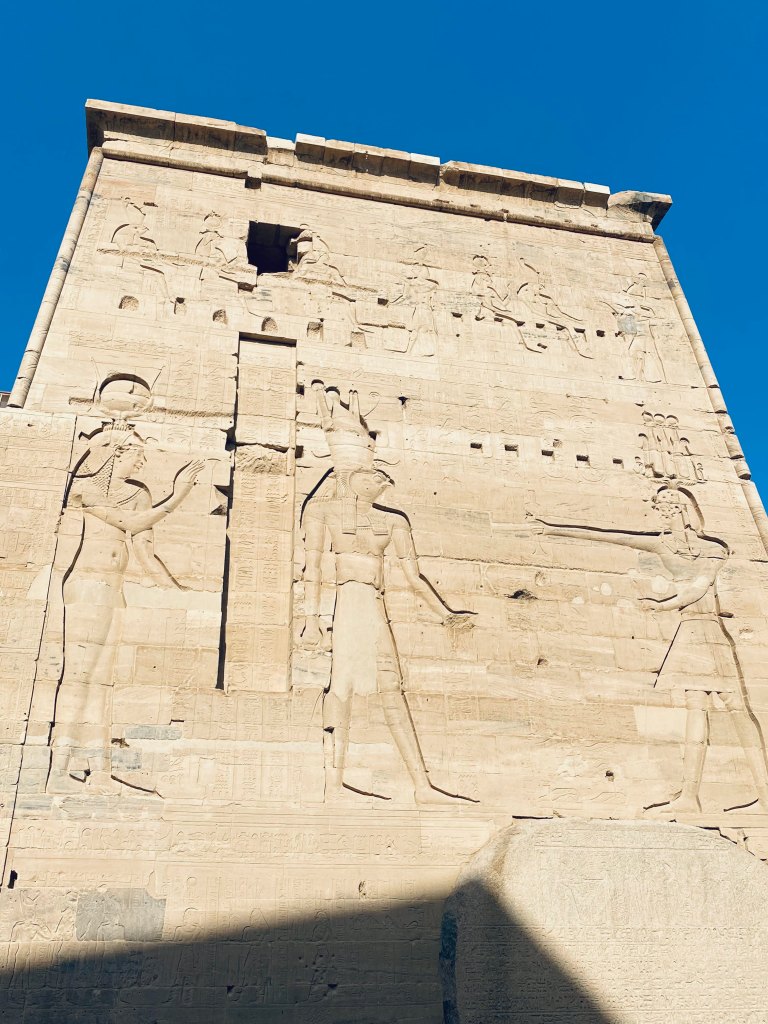
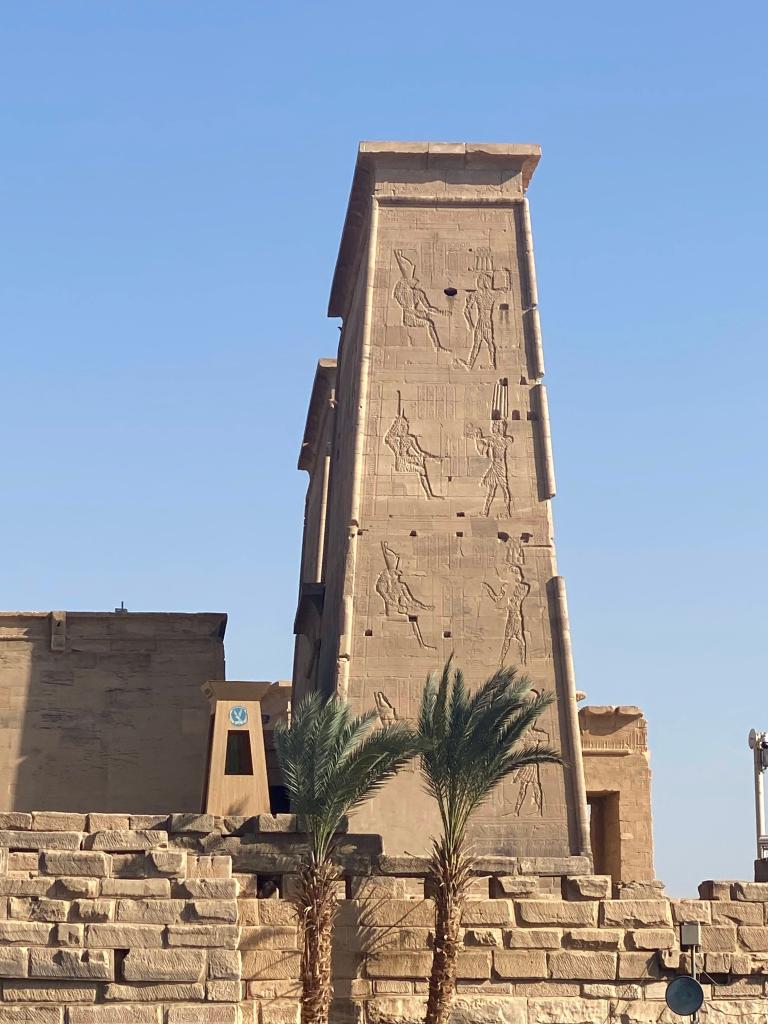
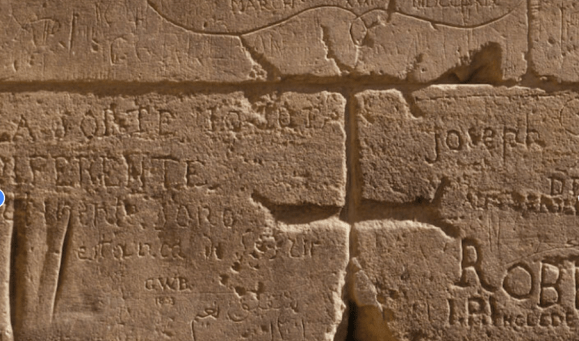
The temple’s interior bears the mark of this changeable, at times violent, history. Early Christians destroyed or disfigured many of the Egyptian statues and hieroglyphs, transforming the temple into a church. There is also evidence of Roman and Byzantine remains, including two Coptic churches.
With crosses, Egyptian reliefs, and graffiti from ancient Egyptian pilgrims and 19th-century explorers engraved on the walls, the Philae Temple is a fascinating nexus of religious history and politics.
The Unfinished Obelisk
Aswan has been the source of the finest granite for all of ancient Egypt and for almost every monument and historical site. The quarry site continues to provide till date. At the quarry site itself, a very remarkable structure is the Unfinished Obelisk. Though unfinished, it gives a remarkable insight into the construction process in the ancient days and the strict quality measures.
About the Unfinished Obelisk, three sides of the shaft were completed except for the inscriptions and then apparently at a later stage a flaw was discovered – appearance of cracks in the granite. And hence lies there the abandoned unfinished obelisk, still attached to the bedrock it was being carved from.


Discover more from thatbrowngirlinblackboots
Subscribe to get the latest posts sent to your email.

