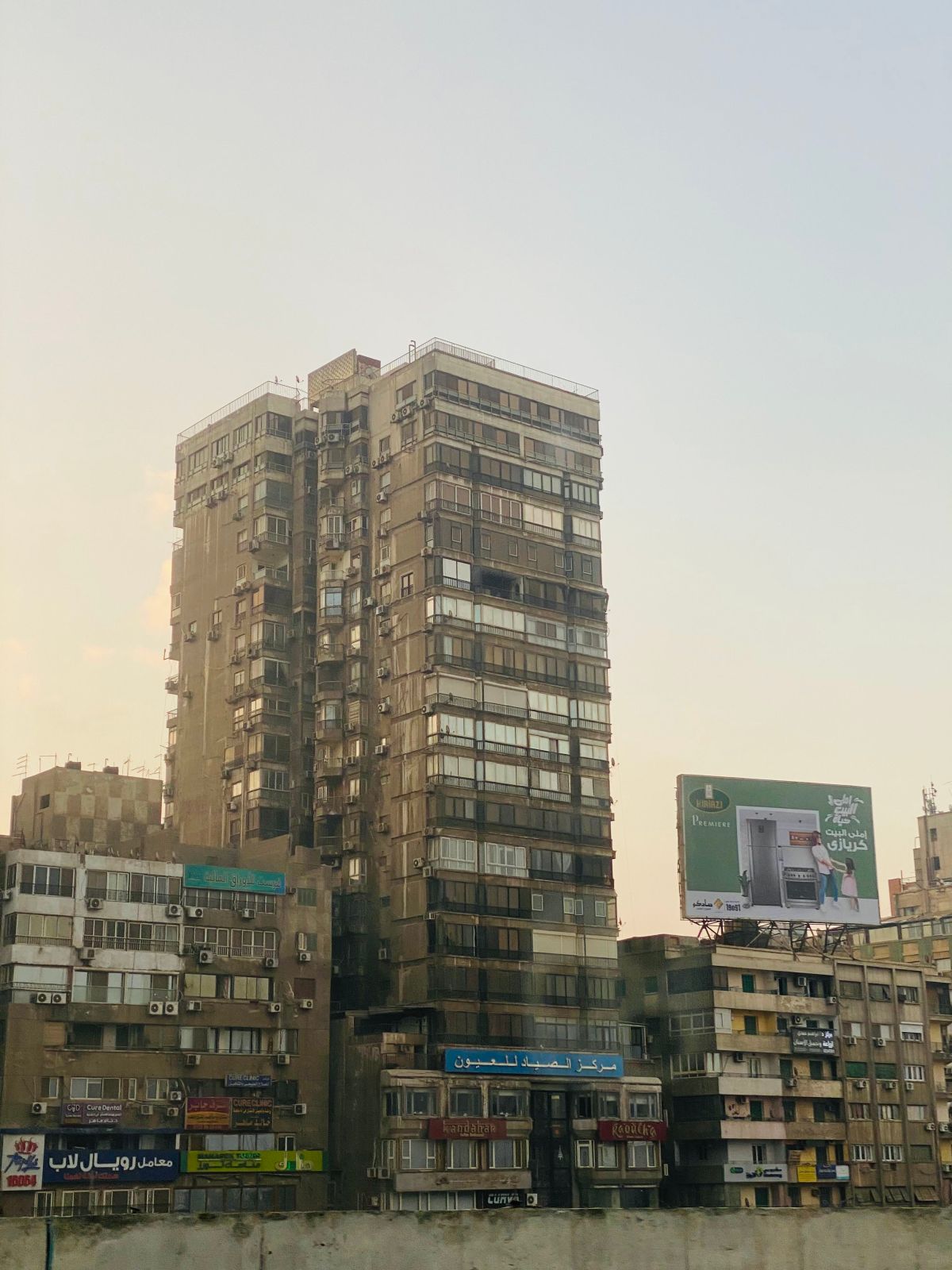
Cairo, the capital city of Egypt is a typical example of ‘Old is Gold’. Beautifully magnificent where the old and the new coexist in absolute peace, and the dead as well! We were there in December 2022. You can read all the details of the Egypt trip here.
First Impressions of a City Older Than Time
The first real glimpse of Cairo came the moment we stepped outside the airport doors. I’d imagined dusty roads and chaotic crowds – but what greeted us instead was a stretch of wide, smooth highways, clean and calm under a pale blue sky. As the car pulled away from Cairo International Airport, the city unfolded in surprising snapshots – neat avenues, smartly kept medians, and modern flyovers. It felt unexpectedly orderly, like a city determined to remind you it’s more than just ancient stones.
We drove west and the traffic thickened. Outside the window, the views were majorly of apartment blocks stacked shoulder to shoulder. And then, as if to remind me why I’d come, the jagged silhouettes appeared in the distance – the Pyramids of Giza, faint but unmistakable against the city’s sprawling edge.
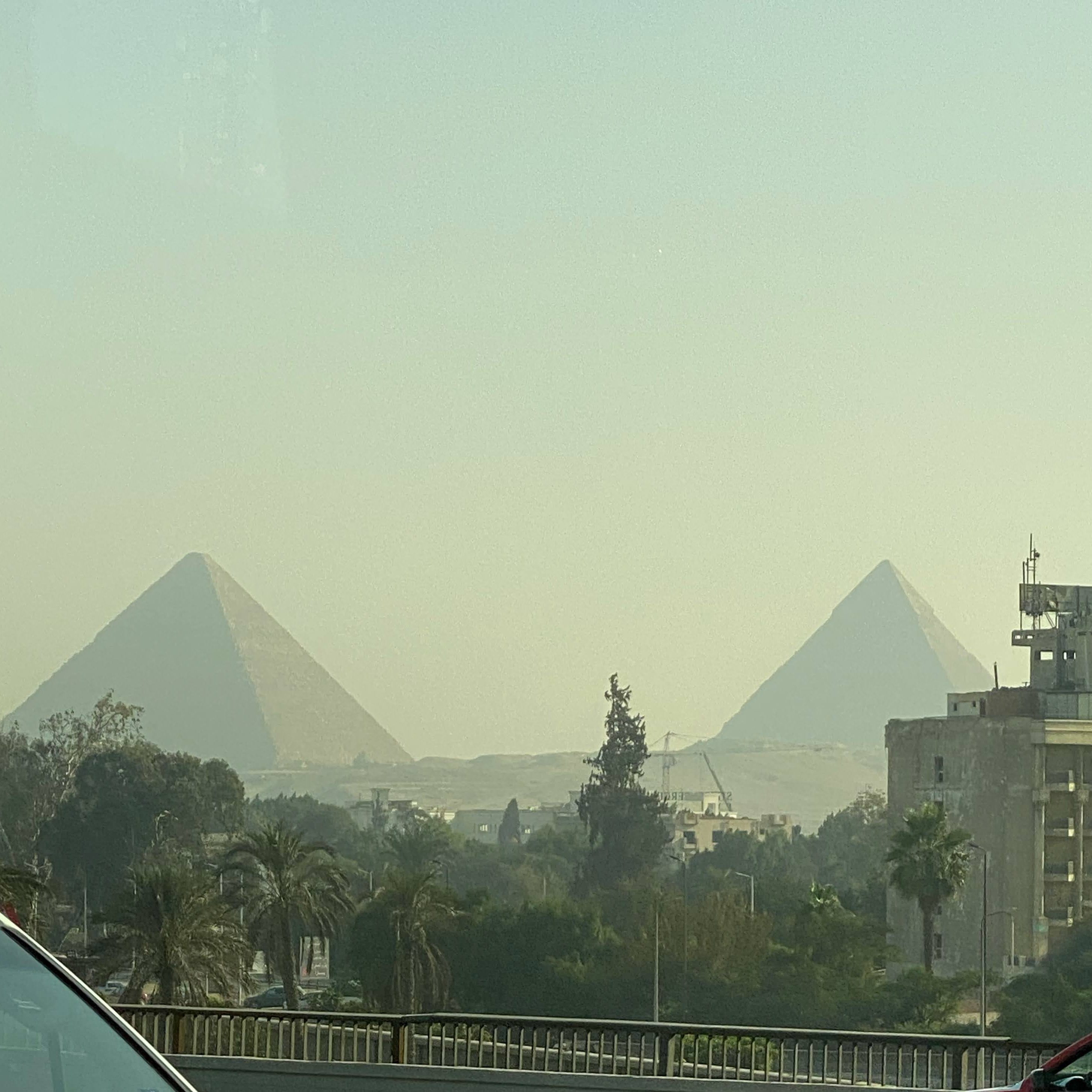
It was almost surreal, spotting something so timeless while stuck in modern traffic. For a second, I wished if we could just take a sharp left, drive a few more blocks, and stand at the base of the gigantic structure. But travel rarely works that neatly. We were in Cairo only for the night before proceeding to Aswan early next morning to board the Nile Cruise. So I had to settle for that first distant sighting – a tease, really – watching the Pyramids slip in and out of view between buildings and palm groves as the car wove its way towards the Pyramids Park Resort, where we’d put up.
You can read about Aswan and the Nile Cruise in the posts linked below
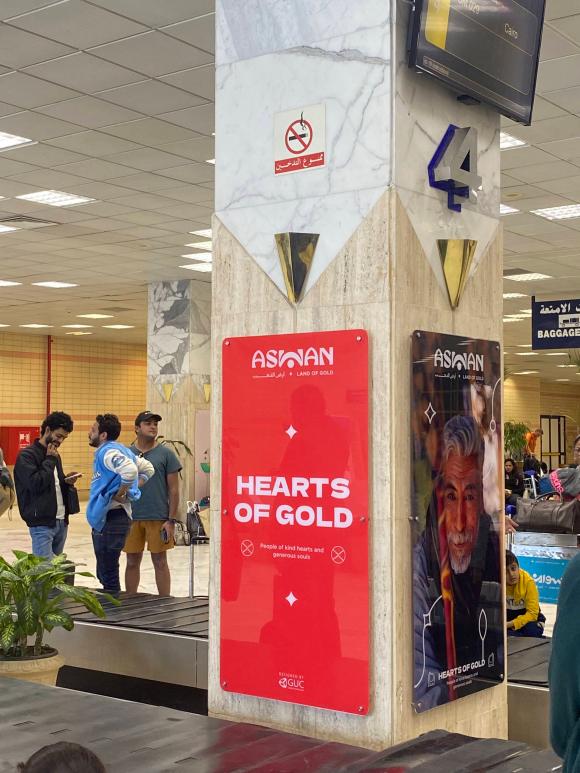

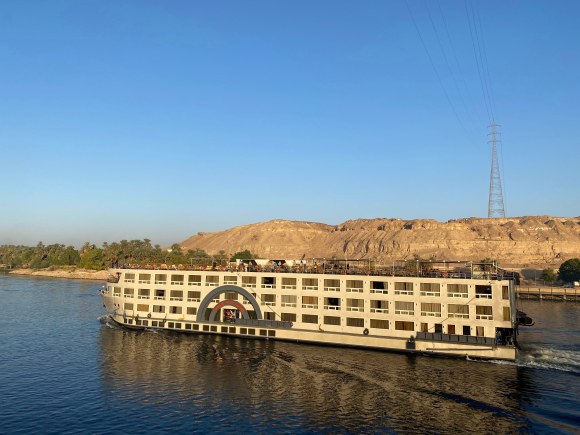
And so 4 days later when we returned to Cairo, that distant glimpse of the Pyramids still clung to my mind like a promise. This time, there was no more waiting. The very next morning, we drove out early to behold the magnificence.
Standing Small Before Giants – The Giza Necropolis
When we finally stood before the Pyramids of Giza, any romantic notion I’d held about them – shaped by textbooks and postcards – simply dissolved under the weight of reality. No photo really prepares you for the immensity of these ancient giants rising out of the golden plateau. You stand there, head tilted back, squinting against the glare of desert sun bouncing off weathered limestone blocks stacked higher than most city buildings. You realise that every block was quarried and hauled here by human hands many centuries ago – and somehow, impossibly, they still stand.


At some distance, the Sphinx crouches half-buried in the sand — its paws outstretched, its gaze locked on eternity, its face calm yet haunting. It guards these stone mountains, with a gaze so stern no matter how much time passes – determination that refuses to crumble.

Historical FACTS
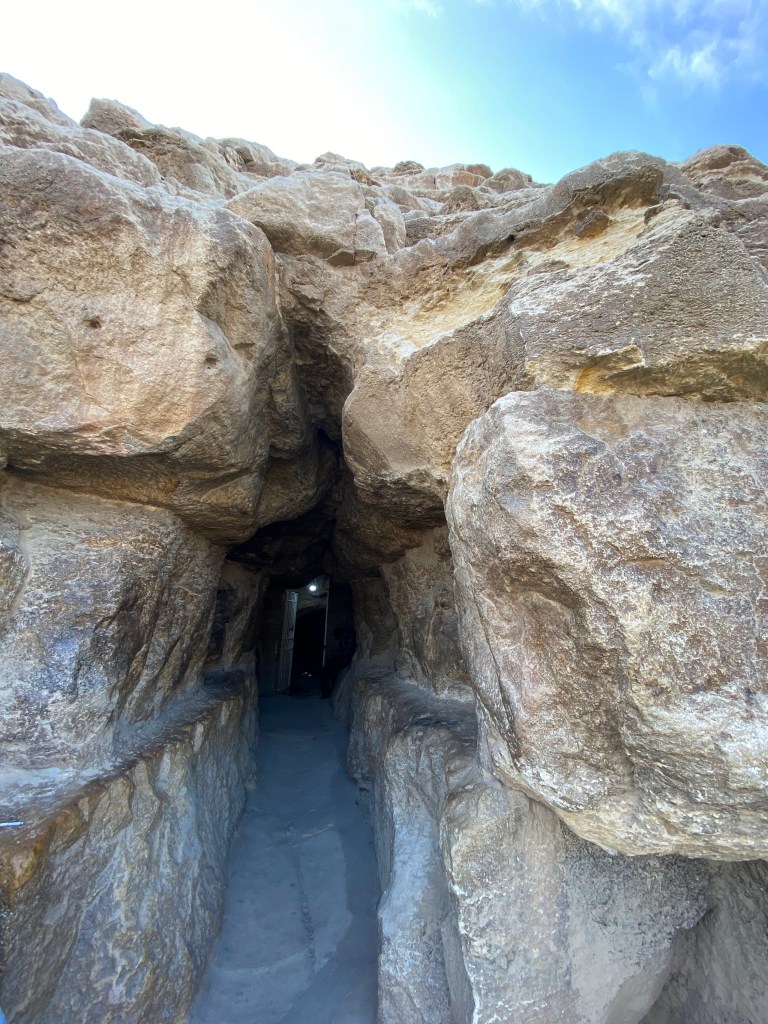
The pyramid project started circa 2550 BC by Pharaoh Khufu, and took 20 years to complete. There is just a very tiny entrance into the pyramid and then a long congested pathway leading to the area which was the resting place of the pharaoh. (Although the most famous monument at Egypt’s Giza Necropolis, it’s not the oldest one. It is however the largest one which stands intact.)
Khufu’s son, Pharaoh Khafre, built the second pyramid at Giza circa 2520 BC. His necropolis also included the Sphinx, a mysterious limestone monument with the body of a lion and a pharaoh’s head. The Sphinx stands sentinel for the pharaoh’s entire tomb complex.
The third of the Giza Pyramids is considerably smaller than the first two and was built by Pharaoh Menkaure circa 2490 B.C., it featured a much more complex mortuary temple.
But the Giza Necropolis is more than just this famous trio of pyramids. Beyond Khufu, Khafre and Menkaure rise too, slightly smaller but equally monumental in their stubborn defiance of time. To truly feel the scale of this ancient necropolis, you can do what countless travelers and traders have done for centuries – climb onto the back of a gentle, swaying camel and ride out across the plateau.
We mounted our camels just beyond the main viewing point, guided by local camel men wrapped in flowing galabeyas. The ride felt timeless — the soft crunch of hooves in sand, the gentle lurch of the saddle, the view shifting from one pyramid to the next as the camels plodded their steady path. From here, away from the main crowds, you see the Pyramids as they were meant to be seen — rising stark and surreal against an endless sweep of desert that hasn’t changed since Pharaohs ruled the land.
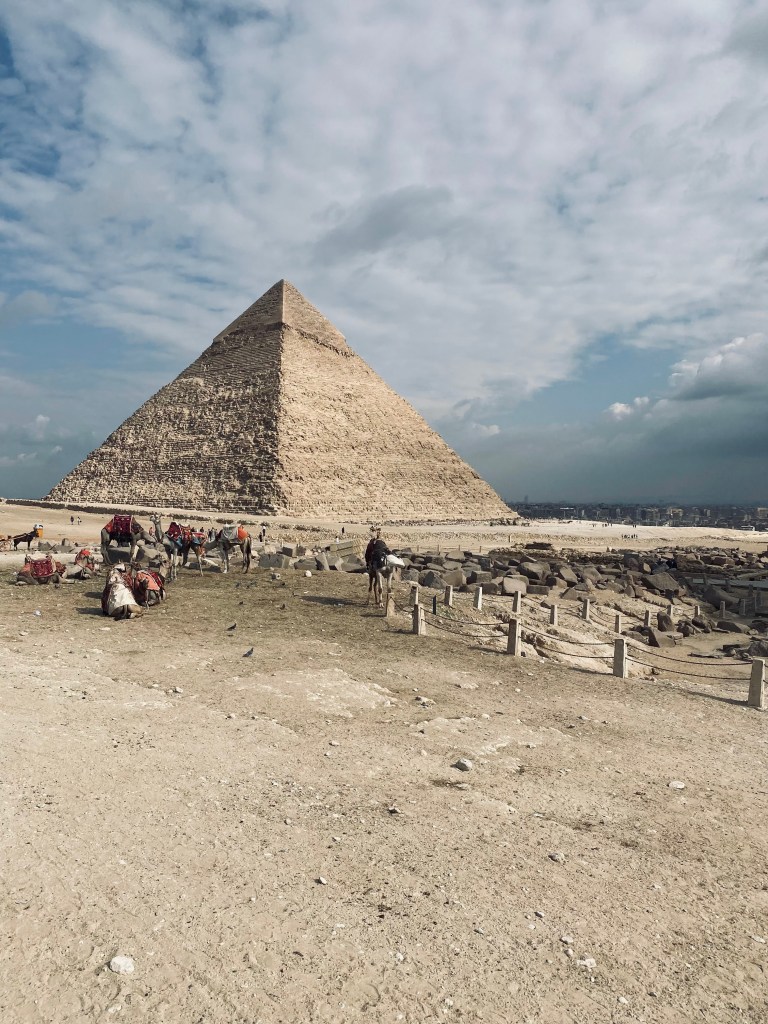
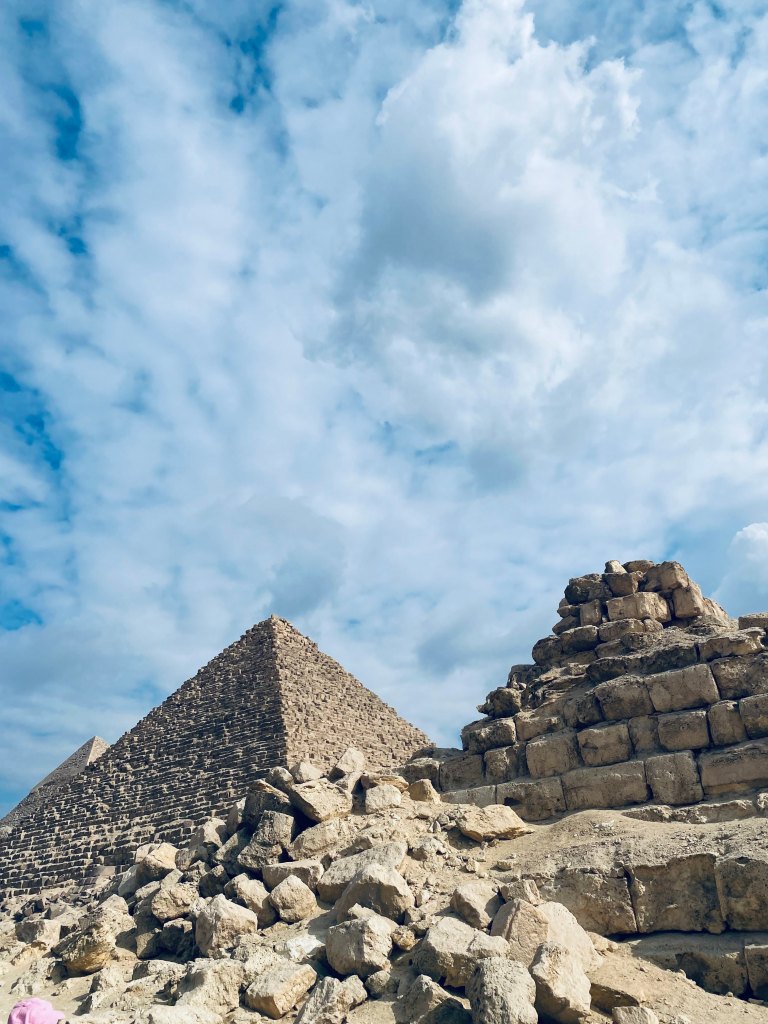
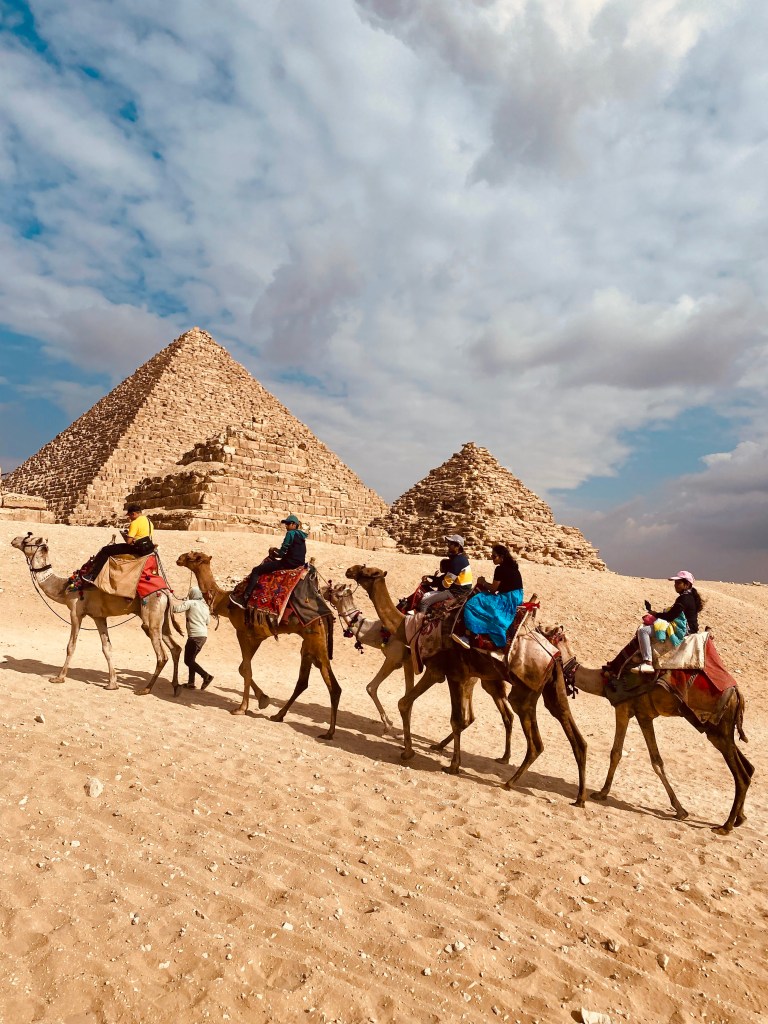
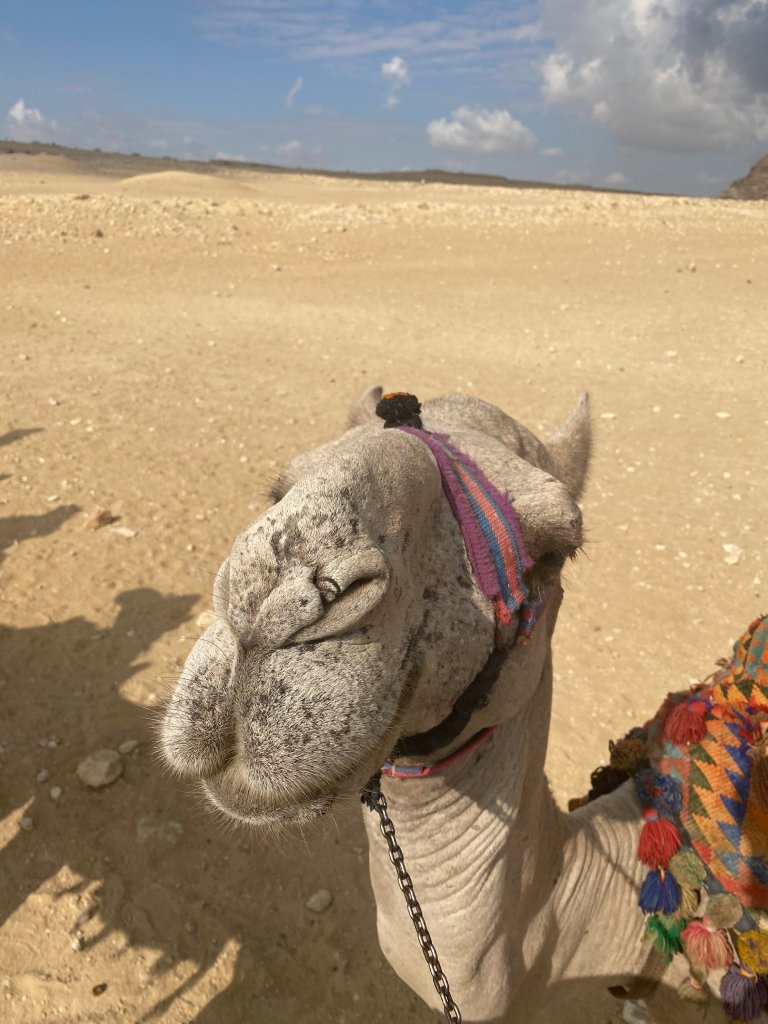
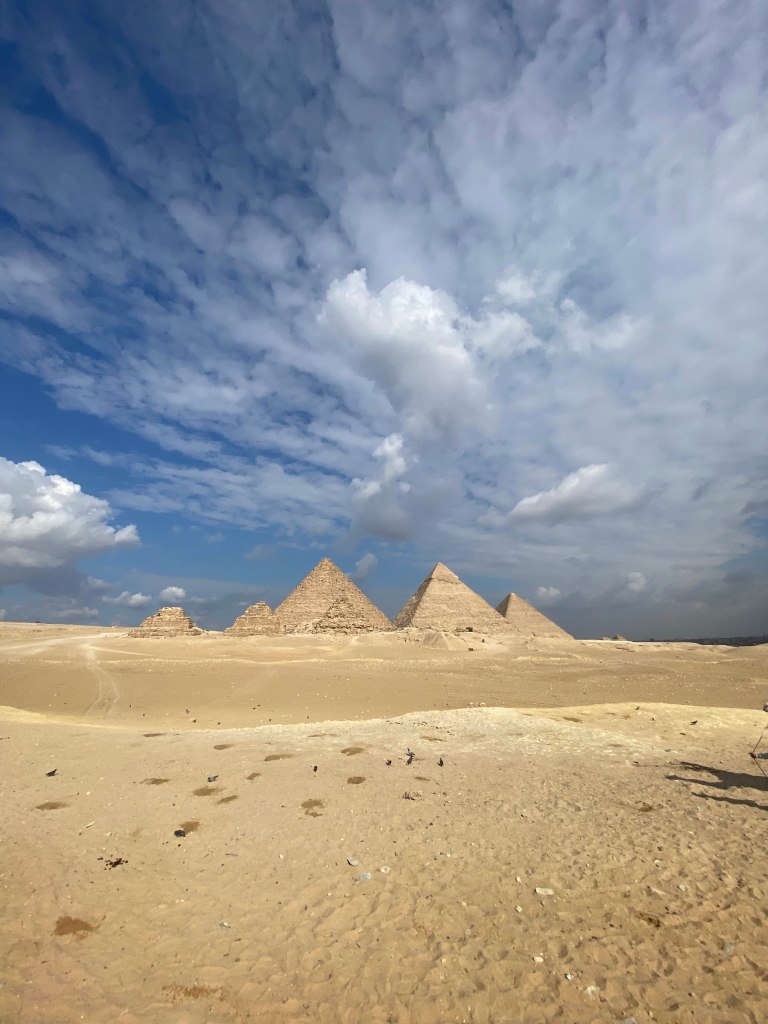
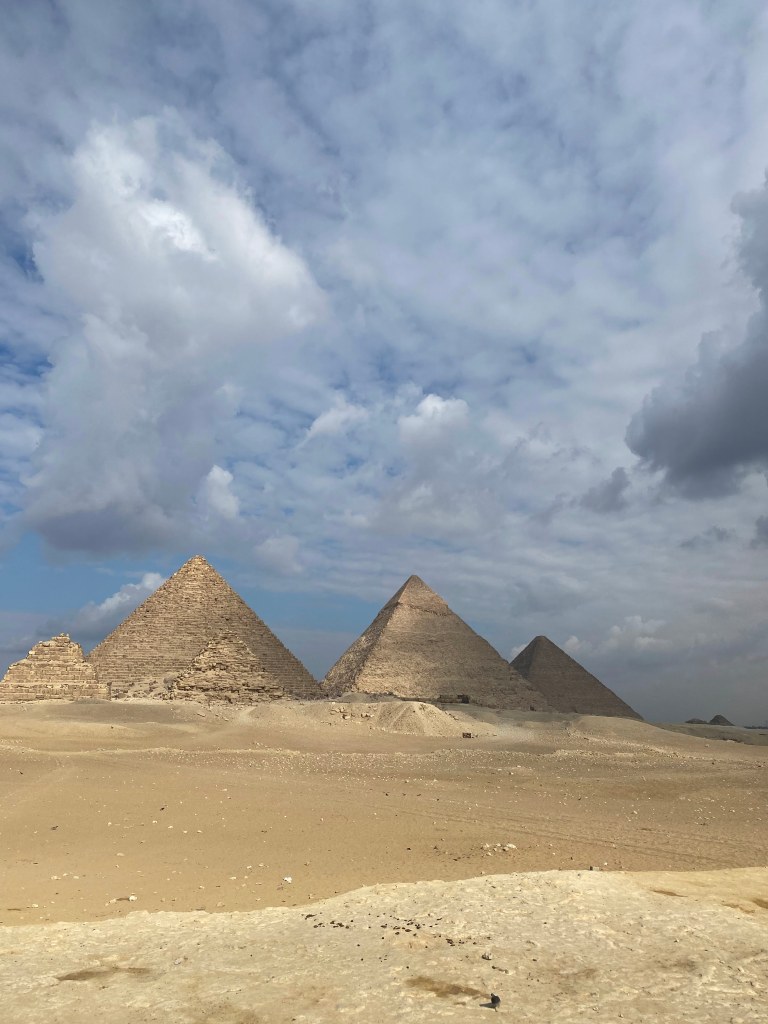
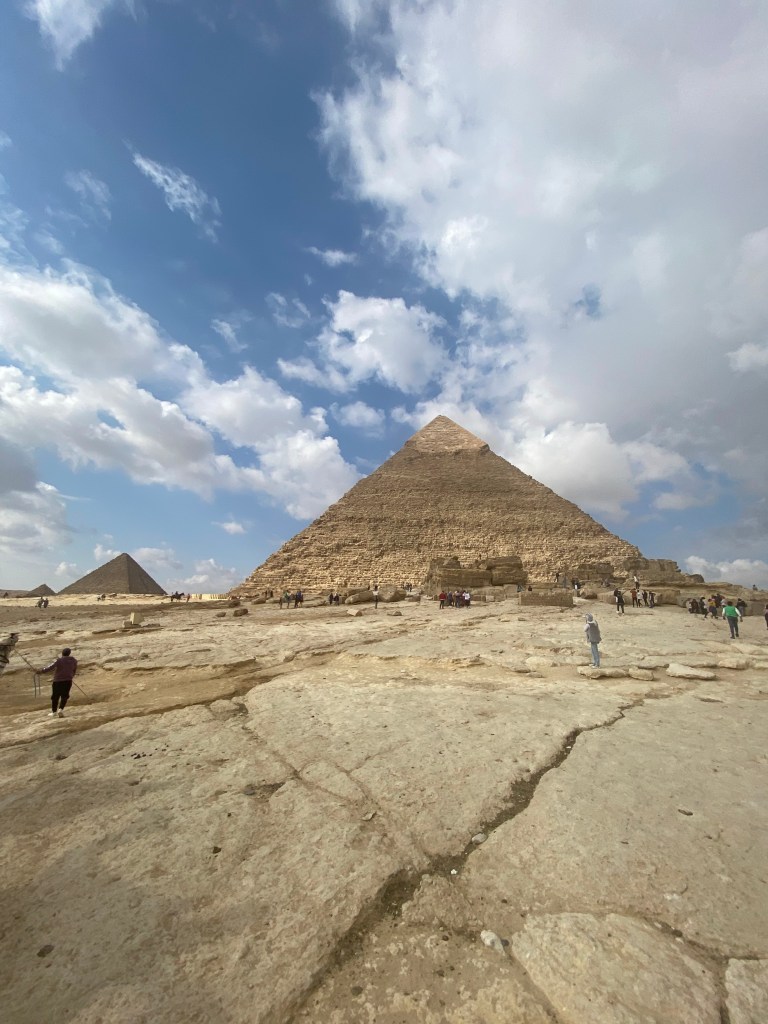

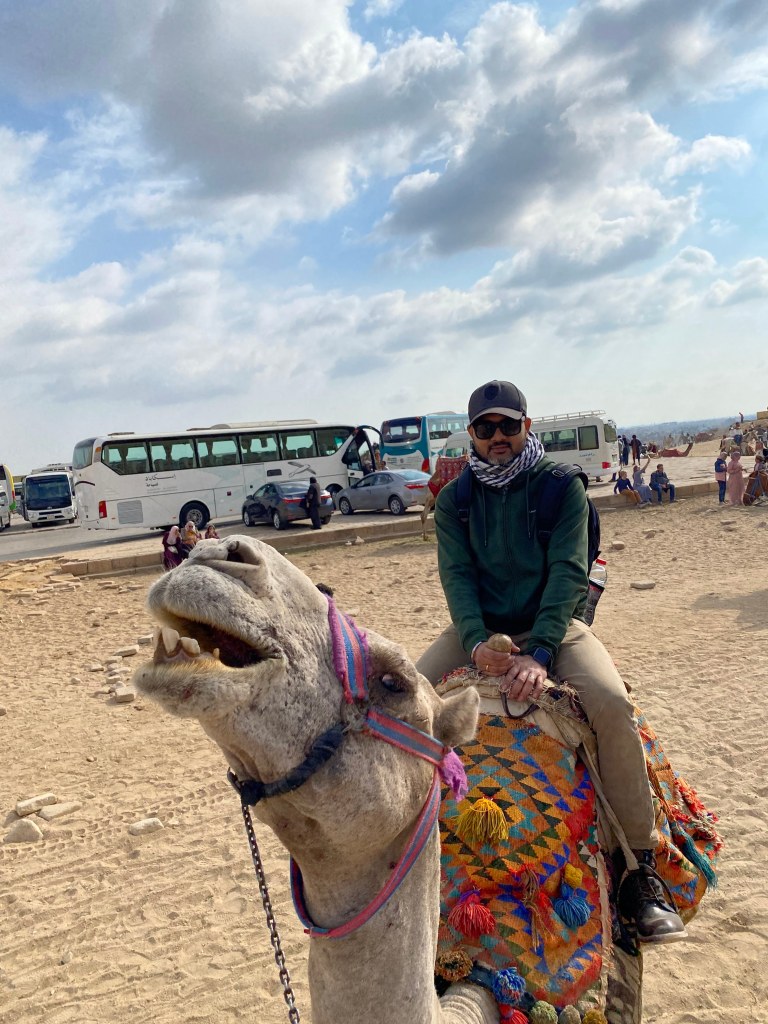

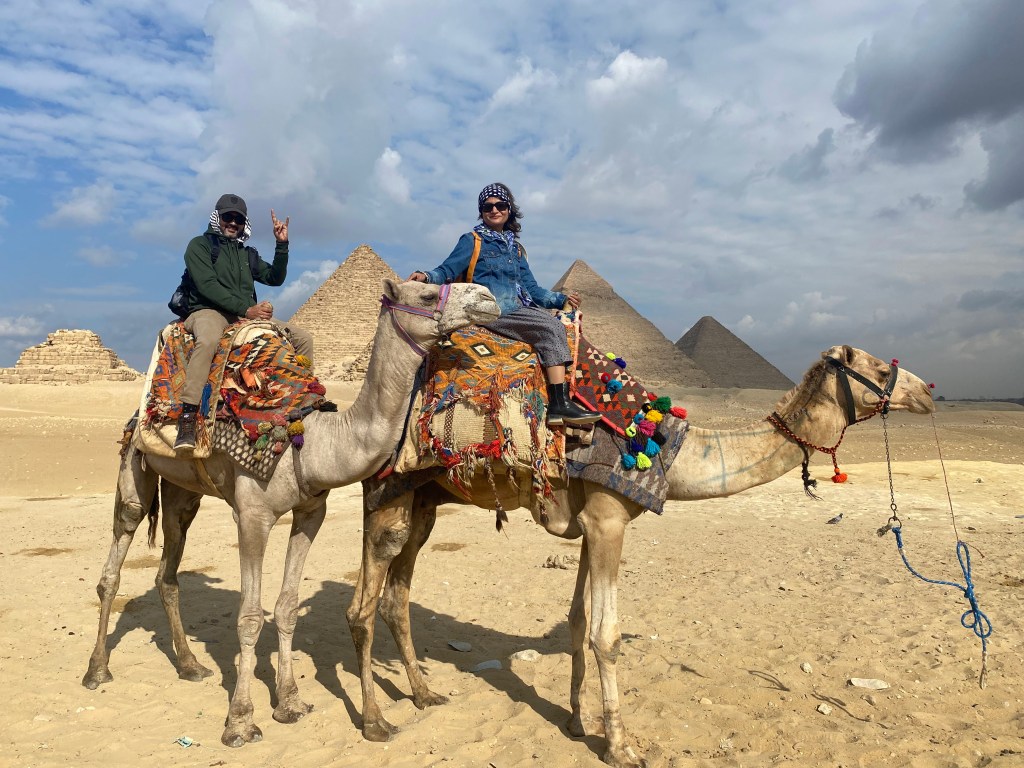
The ancient city of Cairo, which has magnificently transformed into a modern metropolis but still maintaining it’s old world charm. The residents of Cairo claim that the city never sleeps and true to the word, one will find Cairo to be hustling and bustling even at 2 am.
Known as the City of the Thousand Minarets, Cairo should definitely be on the list if planning to invest in Egyptian history and culture.
Inside Egypt’s Memory – The Egyptian Museums
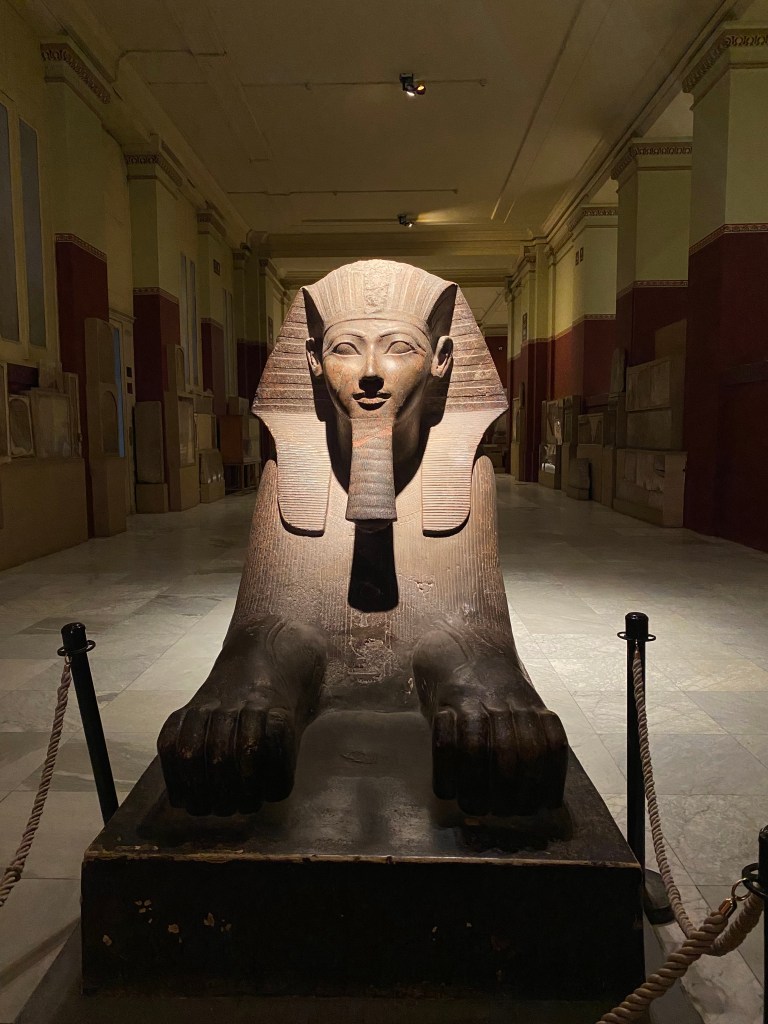
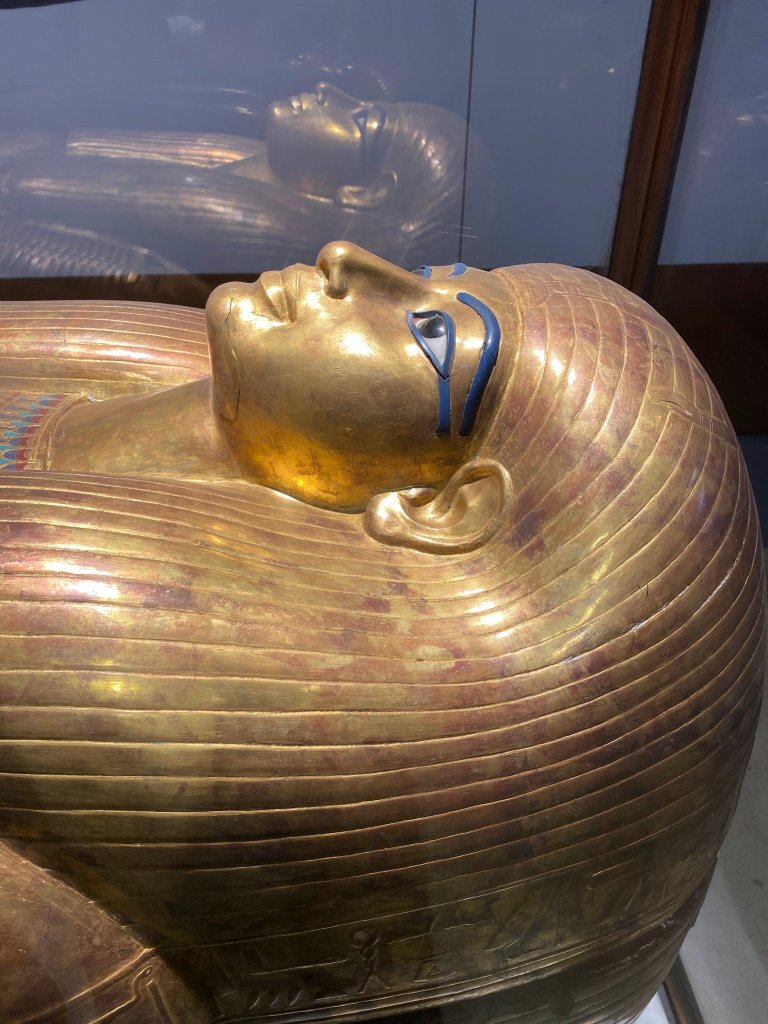
After hours under the blazing sun and the raw silence of the desert plateau, stepping back into Cairo felt almost like slipping between centuries in a single breath. We swapped sand and stone for cool marble floors and shadowed galleries at the Egyptian Museum, where the weight of Egypt’s story hums behind glass.
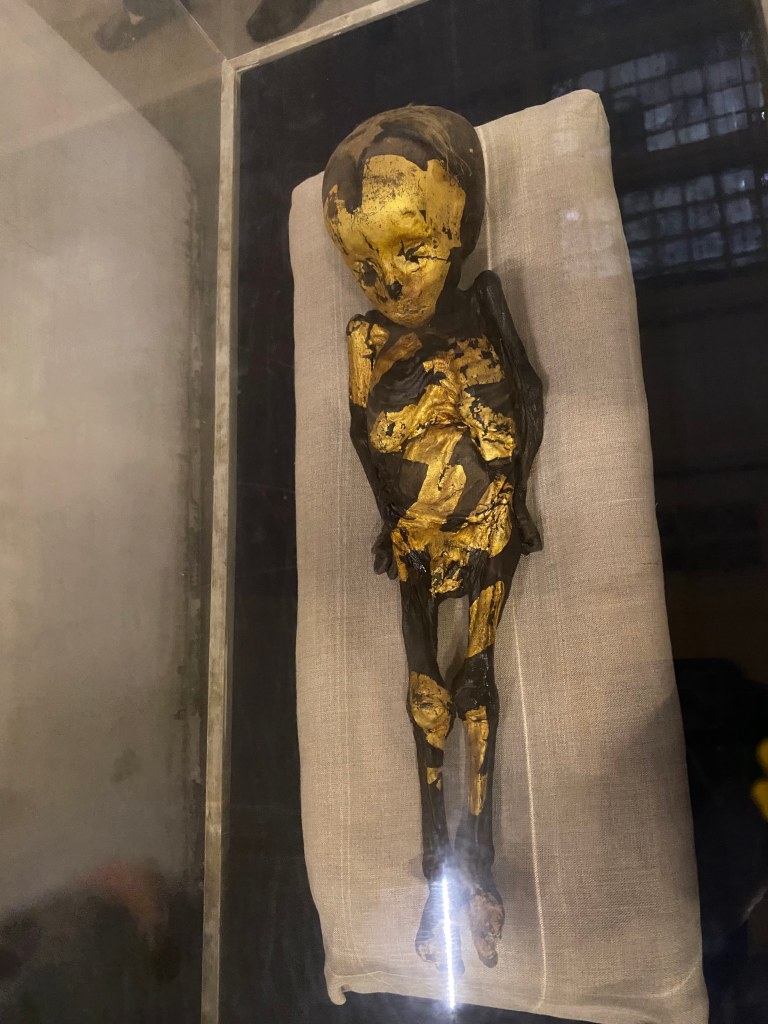
In downtown Cairo, the Egyptian museum houses ancient artefacts from the Egyptian civilization. The air is thick with secrets. From mummies of common men to the rows of ancient statues standing frozen in mid-step with gilded funerary masks glint under soft lights, and delicate papyrus scrolls so fragile – they might dissolve if you exhale too hard. The star, of course, is Tutankhamun’s glittering treasure – the youngest pharaoh of the Egyptian dynasty who lost his life at a very early age of just nineteen – the boy king’s gold mask, radiant and eerily perfect after thousands of years in darkness. But the smaller things stay with you too – tiny combs, simple sandals, everyday tools laid lovingly beside royals to see them through eternity.


The City of the Dead – Where Life and Loss Live Side by Side
If Cairo has a place that truly challenges your idea of what a city can be, it’s the haunting, surreal sprawl of the City of the Dead. On the edge of the city, at the foot of the Mokattam Hills, lies this vast necropolis – not just rows of silent tombs, but entire streets where the living and the dead share the same ground. No, we did not go in there but our guide told us about this very scary existence. And since we were unable to visit these sites, I will refrain from writing about it as I don’t think I can do enough justice to it. Read about it here.
Other places which should not be missed
Sadly, I wound up with a high temperature that day and we had to return to the hotel early. But if you’re in Cairo, you should definitely go to the Khan el-Khalili Bazaar and the Al Azhar Mosque.
Al Azhar Mosque is one of the earliest mosque’s of Cairo, this mosque is revered not just in Egypt, but in the entire Islamic world.

The City That Stays With You
So much of Cairo lingers long after you leave, and its contradictions feel like the truest part of its charm. This is a city where you glimpse ancient pyramids from a highway, ride camels through the desert, and then also eat shawarma in a plush hotel. It’s a place where you stand shoulder to shoulder with history – so close you can touch it – yet feel the city’s heartbeat thrum with a kind of restless, youthful energy. It’s a city that defies your expectations at every corner – messy yet mindful, ancient yet alive, chaotic yet comforting in its own unpredictable rhythm.
Discover more from thatbrowngirlinblackboots
Subscribe to get the latest posts sent to your email.

